






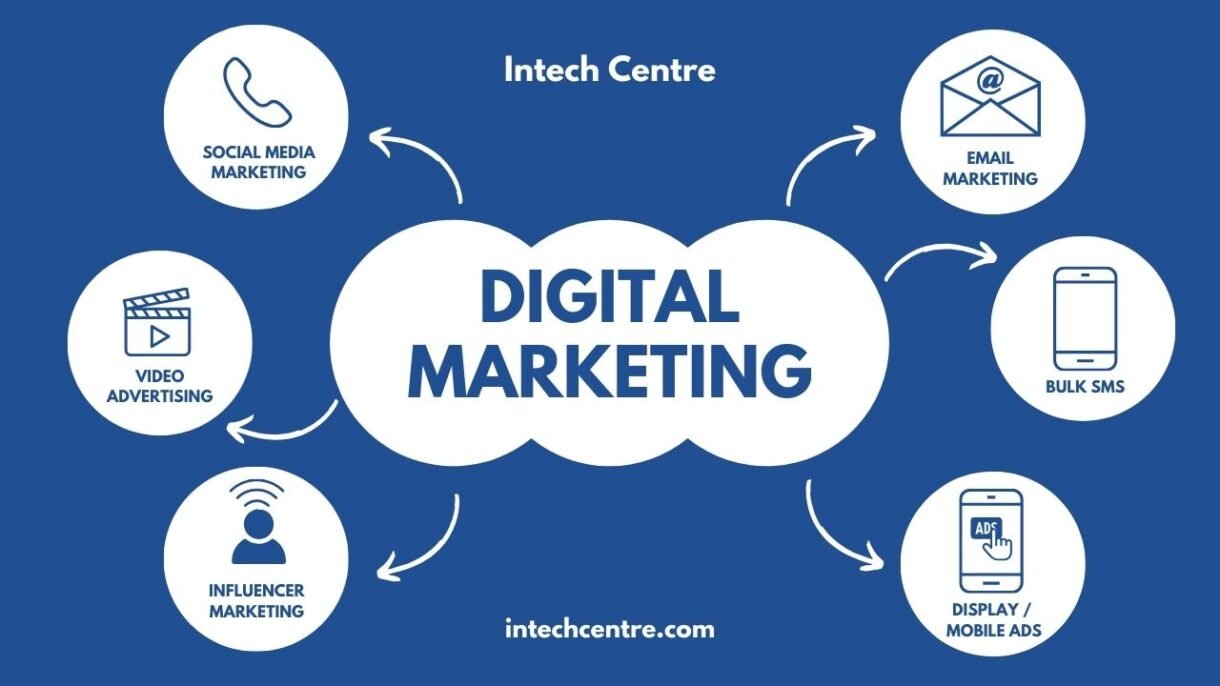
If you’ve been searching for a free digital marketing course in London, you’ve probably noticed two things:
There are loads of options… and they all sound similar.
Many “courses” don’t tell you what really matters: what you’ll be able to do after, and whether it actually helps you get hired.
This guide breaks it down clearly. You’ll learn what Skills Bootcamps are, what you should expect from a good digital marketing bootcamp, and a simple checklist to choose one that fits your goals—whether you’re changing career, returning to work, or upskilling for your business.
Quick answer (so you don’t have to scroll)
A Skills Bootcamp is a short, practical course (often 2–16 weeks) designed to teach job-ready skills and support you towards interviews and employment.
Table of contents
What is a Skills Bootcamp?
Who are Skills Bootcamps best for?
What digital marketers actually do day-to-day
The 6 skills you should learn on a digital marketing course
The checklist: how to choose the right free digital marketing course in London
How to prepare (so you get more value from the course)
FAQs
What is a Skills Bootcamp?
A Skills Bootcamp is a short, focused training course designed to help adults build practical, employer-relevant skills—fast.
Here’s what makes bootcamps different from many traditional courses:
Short and structured: usually between 2 and 16 weeks
Flexible learning: options can be online, in-person, or hybrid
Practical outcomes: you learn by doing (projects, tasks, portfolio work)
Career support: often includes help with CVs, applications, and interview preparation
Interview opportunity: many bootcamps include an interview offer after completion
Are Skills Bootcamps free?
In many cases, yes—especially for individuals applying directly (and London-specific bootcamps are commonly promoted as free for eligible Londoners). If you’re doing a bootcamp through your employer, the funding model may be different, so it’s worth checking the course details before you apply.
Tip: Don’t just ask “Is it free?”—ask “What do I leave with?”
Who are Skills Bootcamps best for?
If you’re a Londoner, Skills Bootcamps can be a great fit if you are:
Career changing (e.g., retail → marketing)
Returning to work after a break and want a modern, relevant skill set
Job hunting and need a portfolio you can show employers
Self-employed or running a small business and want to attract leads online
Already working and want to move into a marketing role internally
They’re particularly useful if you prefer a clear structure and deadlines—because consistency beats “watching random tutorials” every time.
What digital marketers actually do day-to-day
A lot of people imagine marketing as “posting on Instagram.” Real entry-level marketing work is broader and more measurable.
Here are common tasks you’ll do in a junior digital marketing role:
Writing or updating website content (so it ranks and converts)
Keyword research and basic SEO improvements
Creating or supporting paid ad campaigns (Google Ads, social ads)
Tracking results in analytics (GA4) and reporting what’s working
Planning content (posts, emails, landing pages)
Improving conversion rates (small changes that increase enquiries or sales)
A good course should help you do at least 3–4 of these confidently, not just talk about them.
The 6 skills you should learn on a digital marketing course
When you’re comparing free digital marketing courses in London, look for these core skills. If a course skips most of them, it may not move you forward.
1) SEO fundamentals (so people can find your site)
You should learn how to:
Find the right keywords (based on real searches)
Optimise page titles, headings, and internal links
Improve pages so they match search intent (what the user actually wants)
Understand what “good content” means for Google (helpful, clear, structured)
2) Paid ads basics (Google Ads)
Even if you don’t become a PPC specialist, understanding paid ads helps you:
Read ad data confidently (CTR, CPC, conversions)
Spot wasted spend and common beginner mistakes
Understand landing pages and conversion tracking
3) Analytics (GA4) and reporting
You should learn the basics of:
Where traffic comes from
What users do on your website
What actions count as success (enquiries, calls, purchases)
Turning numbers into insights (“Do more of X, fix Y”)
4) Social media marketing (strategy, not just posting)
A good course will teach:
Content planning and audience targeting
How to write better posts and calls-to-action
How to measure performance (not vanity metrics only)
5) Content design (Canva or similar)
Employers love marketers who can create clean, simple assets quickly:
Social posts, banners, basic flyers
Consistent branding and layout
Visual hierarchy (so designs look professional)
6) AI tools for productivity (used properly)
AI can help you:
Generate content ideas
Improve drafts
Create outlines
Speed up research and repurposing
But the best courses also teach what matters most: how to keep your work accurate, original, and on-brand.
The checklist: how to choose the right free digital marketing course in London
Use this checklist before you apply. It saves time—and helps you avoid courses that look good on paper but don’t lead anywhere.
1) Is it built around outcomes?
Ask: What will I be able to do by Week 2, Week 4, Week 8?
If the answer is vague, that’s a red flag.
2) Will you build a portfolio?
Your portfolio is proof. It’s what turns “I studied marketing” into “Here’s what I can do.”
A strong beginner portfolio might include:
A mini SEO audit of a local business website
A simple Google Ads plan (keywords + ad copy + landing page outline)
A basic GA4 insights report (what changed, what to improve)
A content calendar (2 weeks) with clear goals
3) Is it beginner-friendly?
Check for phrases like:
“No previous experience required”
“Designed for career changers”
“Support provided for CV and interviews”
4) Is it flexible enough for real life?
Most people need learning that fits around:
work shifts
childcare
commuting
other responsibilities
Hybrid or part-time formats often work well because you get structure without needing to pause your life.
5) Does it include employability support?
This matters more than most people think. Look for:
CV help for marketing roles
LinkedIn profile improvements
interview practice
confidence and workplace skills
6) Is there an interview opportunity at the end?
Many bootcamps are designed to lead to an interview opportunity. That doesn’t guarantee a job offer—but it does create momentum and a clear next step.
7) Is the qualification recognised (if offered)?
Not all bootcamps include a qualification. If they do, check:
awarding body (recognised)
level
what it actually means for employers
8) Does it teach current tools?
At minimum, you want:
SEO basics
Google Ads overview
GA4 basics
content planning
basic design tool (like Canva)
AI productivity tools
9) Can you talk to someone before applying?
A quick call can reveal a lot:
Is it supportive?
Will they help you choose the right route?
Do they understand your goal?
10) Does it match your goal?
Pick based on your end goal:
Job-ready fast: choose a portfolio + employability focused bootcamp
Business growth: choose a course with real-world lead generation and analytics
Long-term marketing career: choose a programme that covers multiple channels and builds breadth
Example of what a London Skills Bootcamp can include
To make this real, here’s the kind of structure you’ll typically see in a strong London-based digital marketing bootcamp:
SEO
Google Ads
Google Analytics (GA4)
Social media marketing
Content design (Canva)
AI tools for marketing (for example, ChatGPT)
A portfolio project you can show to employers
A recognised certificate (depending on the provider)
Intech Centre note (subtle): If you want a structured option that covers these areas, you can add an internal link here to your Digital Marketing & AI Skills Bootcamp (Level 3) page and keep the tone informational.
How to prepare before your course starts (so you learn faster)
You don’t need experience—but doing these small steps will make the course feel easier and help you build better work:
Set up your basics
Create a professional email address (first + last name if possible)
Update your CV with a simple “Skills” section
Refresh your LinkedIn headline (even if basic)
Get comfortable with a few tools
Practice writing a short post (100–150 words) about a topic you care about
Try Canva templates and edit text/images
Watch a 10-minute overview of GA4 (so the dashboard doesn’t feel scary)
Choose a “portfolio subject”
Pick one: a local business you like, your own side project, or a friend’s business.
You’ll learn faster when you apply skills to something real.
FAQs
Are Skills Bootcamps really free in London?
Many London bootcamps are promoted as free for eligible Londoners, especially when you apply as an individual. Always check the eligibility rules on the provider’s page before applying.
Do I need marketing experience to join?
Most beginner-friendly bootcamps are designed for people with little or no experience. What matters most is consistency and willingness to practise.
What’s better for beginners—SEO or Google Ads?
Start with SEO to understand how websites and search intent work, then learn Google Ads to understand paid traffic and conversions. The best courses teach both at a practical level.
How quickly can I get job-ready?
If you attend consistently and build a portfolio, many learners become job-ready within the duration of the bootcamp—especially if it includes employability support and interview prep.
What should I have in my portfolio by the end?
Aim for 2–4 pieces of work you can show:
an SEO improvement plan
a simple ads plan
a GA4 insights summary
a content calendar + sample posts
What jobs can I apply for after a beginner digital marketing course?
Common entry-level roles include:
Digital Marketing Assistant
Marketing Assistant
Junior SEO Assistant / SEO Trainee
PPC Assistant (if you focused on ads)
Social Media Assistant / Content Coordinator
Final thoughts: choose the course that gives you proof, not just information
When you’re choosing a free digital marketing course in London, focus on what you’ll leave with:
skills you can explain
work you can show
confidence to apply
a clear next step (interviews, applications, progression plan)
If you want, add your second internal link here:
“If you’re not sure which route is best, enquire with Intech Centre and we’ll point you in the right direction.”

Similar News

0 Comments